
Honestly, there’s no single “best” answer to this. The best online Arabic course for you depends entirely on where you’re starting and what you actually want out of it.
A five-year-old learning their first letters needs something completely different from a working adult trying to read business emails, or someone who just wants to open the Quran and actually understand what they’re reading, not relying on a translation that flattens half the meaning.
Here’s something most people don’t expect going in: you can have a solid study plan, decent materials, even a bit of discipline — and still feel stuck. Usually what’s missing isn’t effort. It’s guidance from someone who actually knows how to teach the language, not just speak it.
This guide breaks down each course by what it’s actually built for, so you’re not guessing.
What Actually Makes a Course “The Best”?
A few things separate a course that works from one that just exists. A tutor who explains why something works, not just hands you a rule to memorize. A pace that bends around you instead of forcing you to keep up with a fixed script. And someone actually tracking your progress, so you’re not starting from scratch every session.
The tutors behind a good course don’t just fix your pronunciation and move on — they tell you why it was off in the first place, which is the part that actually makes it stick. It also helps when your online Arabic tutor remembers where you left off last time instead of treating every class like day one.
Before picking anything, it’s worth knowing how a qualified Arabic tutor actually streamlines the learning process — more often than not, the tutor matters more than the curriculum on paper.
Best online Arabic course for Kids
This is usually where kids start, and for good reason. It leans on stories and songs instead of drilling — which matters more than people think, because kids tune out fast the second something feels like a lecture.
Letters, shapes, basic reading, basic speaking — all building slowly toward real conversation, at a pace that actually matches how long a kid can sit still. Parents looking into Arabic learning for kids tend to find the same thing: start early, keep it structured but playful, and the language just feels normal to them instead of forced.
Thinking about getting your child started? Arabic for Kids builds real foundations through methods kids actually enjoy.

Best online Arabic course for Adults
Most adult beginners start here, and you don’t need to know a single word going in. It covers all four pieces — reading, writing, speaking, listening — taught by tutors trained at Al-Azhar University.
What makes it work specifically for adults is that nobody throws you into heavy grammar on day one. You start with the alphabet, build up slowly, and someone actually explains the reasoning behind each rule instead of expecting you to just absorb it by repetition. If you’re not sure where to even start with online Arabic courses, this is it for most people.
If you’re building from zero, Arabic for Adults is exactly built for that starting line.

Modern Standard Arabic (MSA)
MSA is the version you’ll hear on the news, read in formal writing, and see in official documents across the Arab world. If your goal is understanding Arabic broadly — not just one country’s way of speaking it — this is the one.
It goes deep on grammar, vocabulary, and sentence structure. A lot of learners land here because it’s the version that works everywhere, not just with one dialect. People researching the best Arabic language classes often end up choosing MSA for exactly that reason — it transfers.
Want Arabic that works no matter which country you’re in? Modern Standard Arabic gets you there.

Business Arabic
Built specifically for people who need Arabic for work — clients, contracts, meetings, whatever your job actually requires. It covers the same core four skills as the general adult track, but the vocabulary shifts toward professional situations instead of small talk.
This one tends to suit people who already have some Arabic under their belt and want to sharpen it for something specific, rather than starting completely fresh.
If Arabic is part of your career, Business Arabic is shaped around exactly that.

Egyptian Arabic Dialect
Egyptian Arabic is probably the most widely understood dialect across the Arab-speaking world — mostly thanks to decades of Egyptian film and music reaching everywhere. If your goal is casual, real conversation with native speakers, not reading formal documents, this dialect gets you there fastest.
Taught by native Egyptian tutors, it focuses on how people actually talk day-to-day, not textbook phrasing nobody really uses out loud.
Want to sound like the people you’re actually talking to? Egyptian Arabic Dialect is built for real conversation, not formal Arabic.

Quranic Arabic
This one’s different from the rest. It’s not really about speaking day-to-day — it’s about understanding the grammar underneath the Quran’s own text. It covers Nahw and Sarf, the two grammar branches that explain why every word in a verse is structured the way it is.
Good fit if you already have some Arabic foundation and want to go deeper — not just reciting from memory, but actually understanding what each word is doing and why.
Want to go beyond reciting into actually understanding the text? Quranic Arabic is where that starts.
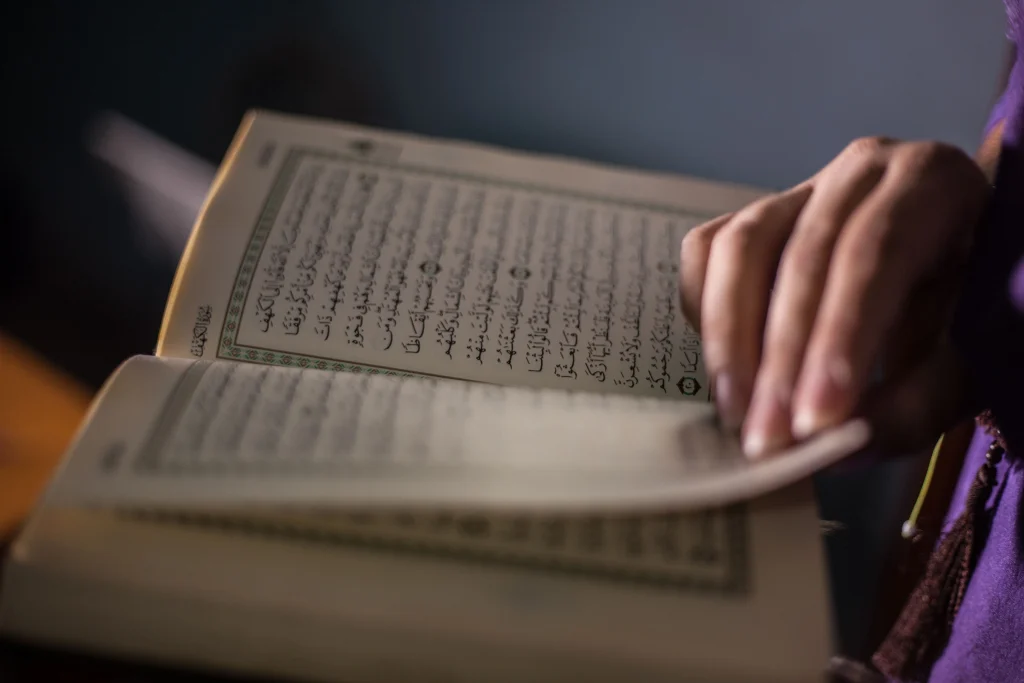
Arabic Reading Course
Reading is the part most beginners underestimate. Arabic uses a completely different alphabet, runs right to left, and letters change shape depending on where they land in a word — none of which feels intuitive at first. This course is built entirely around that one skill: recognizing letters, sounding them out, building toward full sentences.
Good starting point if you want to read Arabic quickly and with actual confidence before touching grammar or speaking — reading tends to unlock everything else once it clicks.
Starting from the very beginning? Arabic Reading Course builds that from scratch.

So, Which One’s Actually Right for You?
Forget “best” for a second and just think about your actual goal:
Starting your kid early? Go with Arabic for Kids. Starting from zero as an adult? Arabic for Adults. Need it for your job specifically? Business Arabic. Want something that works in any Arabic-speaking country, formally? MSA. Want to actually talk to people casually? Egyptian Arabic Dialect. Want to understand the Quran’s grammar, not just recite it? Quranic Arabic. Can’t read the script yet at all? Start with the Reading Course — everything else gets easier after that.
Still not sure? It’s worth browsing the online Arabic classes that actually fit your specific goal before committing to one track and deciding which online Arabic course is the best!
Frequently Asked Questions
What actually makes a course “the best” one?
Nothing fixed, honestly — it’s about fit. What’s great for a business professional might be the wrong call entirely for a five-year-old just learning the alphabet.
Can I switch if I pick the wrong course?
Yes, all the time. A lot of people start general, figure out what they actually want from Arabic a few months in, then move into something more specific.
Do I need to know the alphabet before starting any Arabic course?
Just the Reading Course assumes zero reading ability going in. The rest build from the alphabet up naturally — but if reading feels like the real wall, start there first.
MSA or a dialect — which is the better online Arabic course if I’m just starting out?
Depends on what you actually want. MSA if you want something that works everywhere. A dialect like Egyptian if you want to talk casually with real people sooner rather than later.
How do I actually tell if a course’s tutors are any good?
Look past the marketing. Al-Azhar-trained tutors with real experience teaching non-native speakers matter a lot more than how polished a course landing page looks.


